
Calibration Intervals · 4 min read
Instrument Drift and Stability — What to Expect
Drift is the slow wandering of an instrument’s readings over time. Understanding it is what lets you set intervals that catch problems before they reach your product.
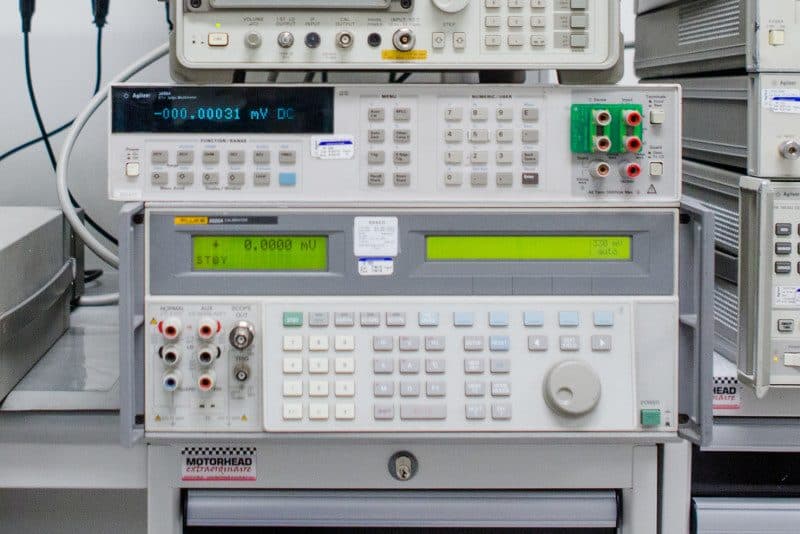
Part of our guide to Calibration Intervals & Program Scheduling.
Why instruments drift
Components age, mechanical parts wear, electronics shift with temperature cycling and time. Some instruments are remarkably stable for years; others move noticeably between calibrations. Drift is usually gradual and predictable per instrument type, which is what makes calibration history so useful — the pattern tells you what to expect.
Reading drift trends
Plotting as-found results over several cycles reveals whether an instrument is stable, drifting steadily, or jumping erratically. Steady drift toward a limit lets you shorten the interval before it goes out of tolerance; erratic behavior may signal a fault worth investigating. Either way, drift analysis turns calibration from a pass/fail gate into a predictive tool.
Common questions
Is some drift normal?
Yes. All instruments drift to some degree; the question is whether it stays comfortably within tolerance over the interval. Calibration history tells you whether your interval is catching drift in time.