
Blog
Calibration, explained by the people who do it.
Ten in-depth topic hubs and the focused articles beneath them — written by our metrologists to answer the questions quality managers, technicians, and buyers actually ask. No fluff, no filler.
Calibration Fundamentals
Calibration Fundamentals: What It Is and Why It Matters
Calibration is one of those words that gets used constantly in a quality system and explained almost never. This guide is the plain-English foundation: what calibration actually is, how it differs from the things people confuse it with, and the handful of concepts — traceability, uncertainty, [as-found data](/blog/as-found-as-left-data), [decision rules](/blog/tur-tar-and-decision-rules) — that determine whether a certificate is worth the paper it is printed on.
ISO/IEC 17025 Accreditation
ISO/IEC 17025 Accreditation, Decoded
ISO/IEC 17025 is the standard that separates a competent calibration laboratory from a company that owns some equipment. This hub explains what accreditation proves, what it does not, and how to use it when you choose a lab — with focused articles on scopes, the 9001 comparison, and the buyer checklist beneath it.
Measurement Uncertainty
Measurement Uncertainty & Traceability
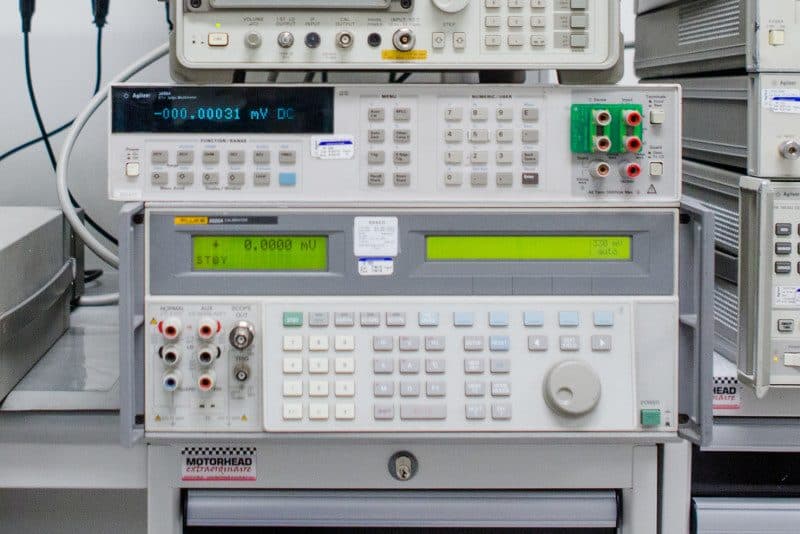
Every measurement carries doubt. Measurement uncertainty is the discipline of quantifying that doubt honestly — and it is what makes a calibration result usable rather than a bare number. This hub covers uncertainty, the [traceability chain](/blog/metrological-traceability-chain) that feeds it, and the concepts (budgets, CMC, [guard banding](/blog/tur-tar-and-decision-rules)) that turn it into decisions.
Calibration Intervals
Calibration Intervals & Program Scheduling
[Calibration intervals](/resources/how-often-should-instruments-be-calibrated) are where good intentions meet auditor scrutiny. Set them too long and you risk bad measurements; too short and you burn money. This hub covers setting intervals, adjusting them with real data, and running a [recall system](/blog/calibration-recall-systems) that keeps overdue instruments off the floor.
Industry Compliance
Industry Compliance & Calibration
Calibration is a requirement in nearly every quality standard, but each industry frames it differently — and audits it differently. This hub maps calibration expectations across the major regimes and links to our in-depth compliance guides.
Dimensional Metrology
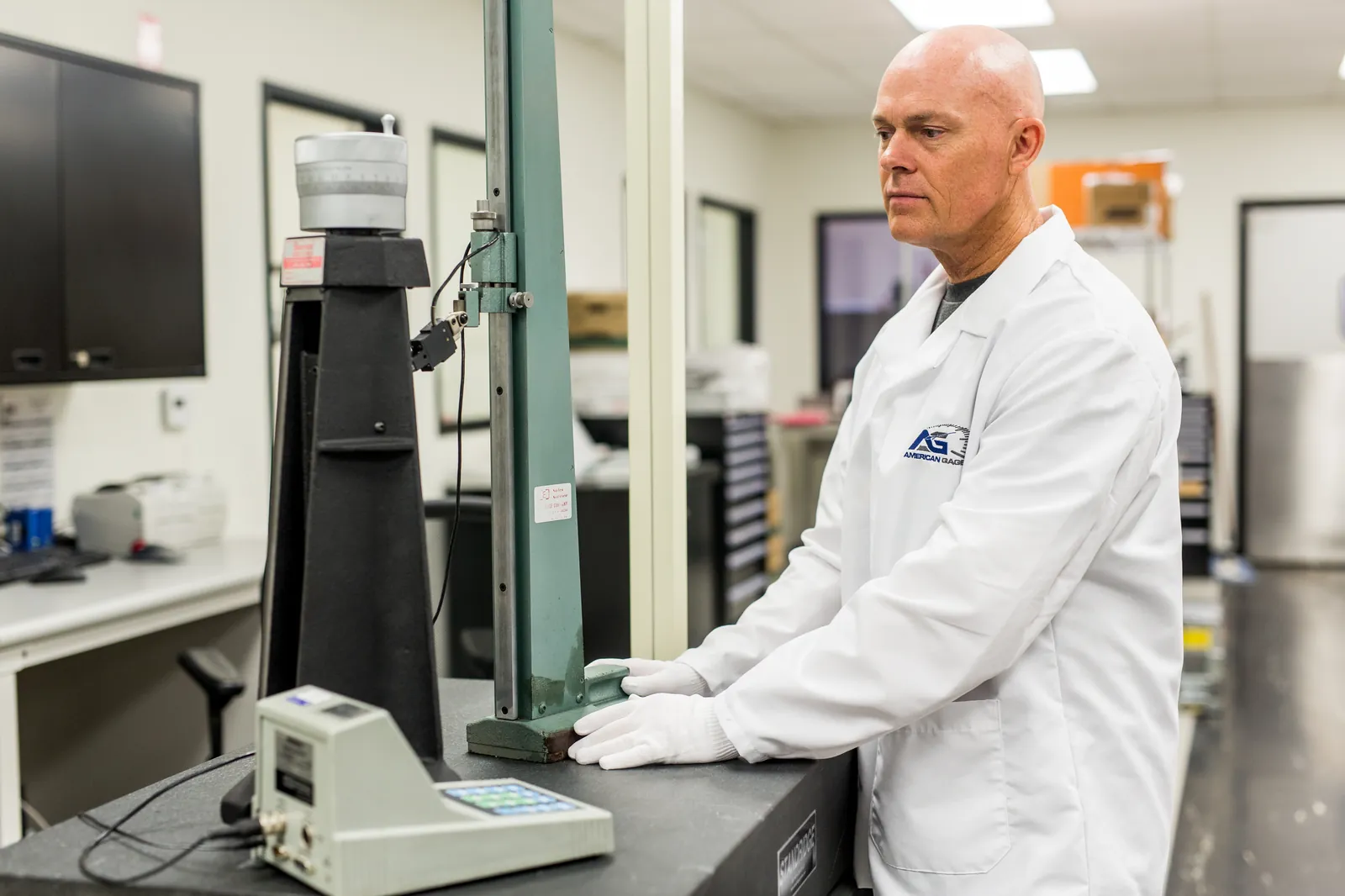
Dimensional Metrology
Dimensional metrology is the oldest and most widely used calibration discipline — the measurement of length, angle, and form. This hub covers the instruments a machine shop or inspection lab uses every day and what their calibration should prove.
Electrical & RF
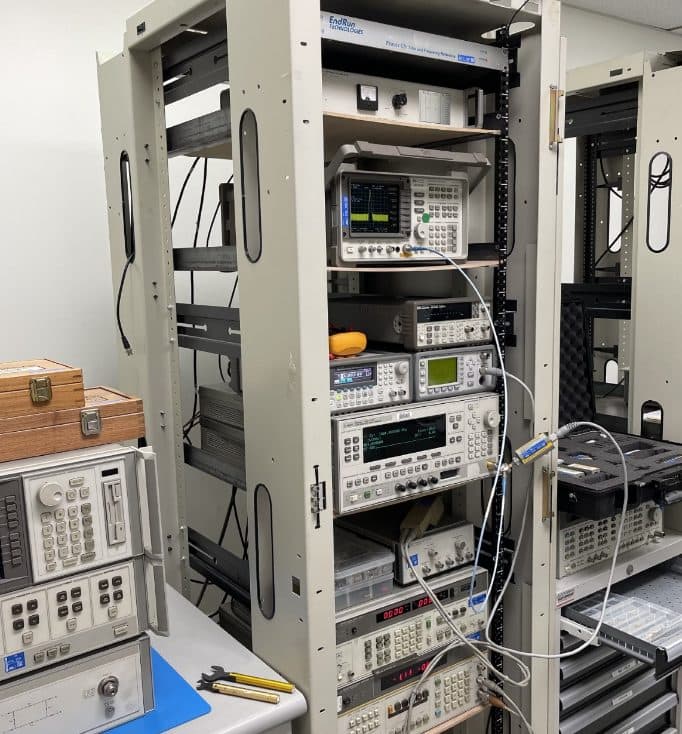
Electrical, RF & Time/Frequency Calibration
Electrical metrology spans DC and low frequency through microwave RF and precise time and frequency. It is a discipline where automation and high-end reference standards make a real difference in throughput and uncertainty. This hub maps the instruments and how they are calibrated.
Pressure, Temp & Environmental
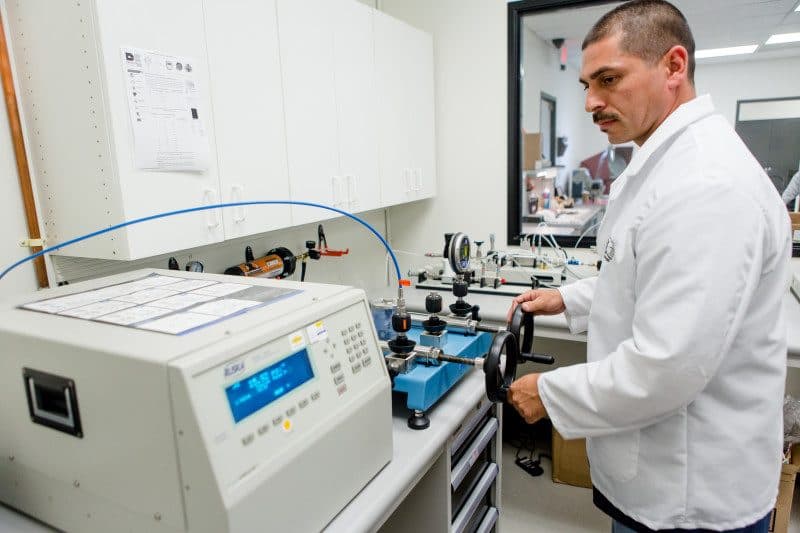
Pressure, Temperature & Environmental Calibration
Pressure, temperature, and humidity are the physical parameters behind an enormous amount of process control and product testing. This hub covers how each is calibrated — from a simple [pressure gauge](/pressure-gauge-calibration) to mapping a walk-in environmental chamber.
Mass, Force & Torque
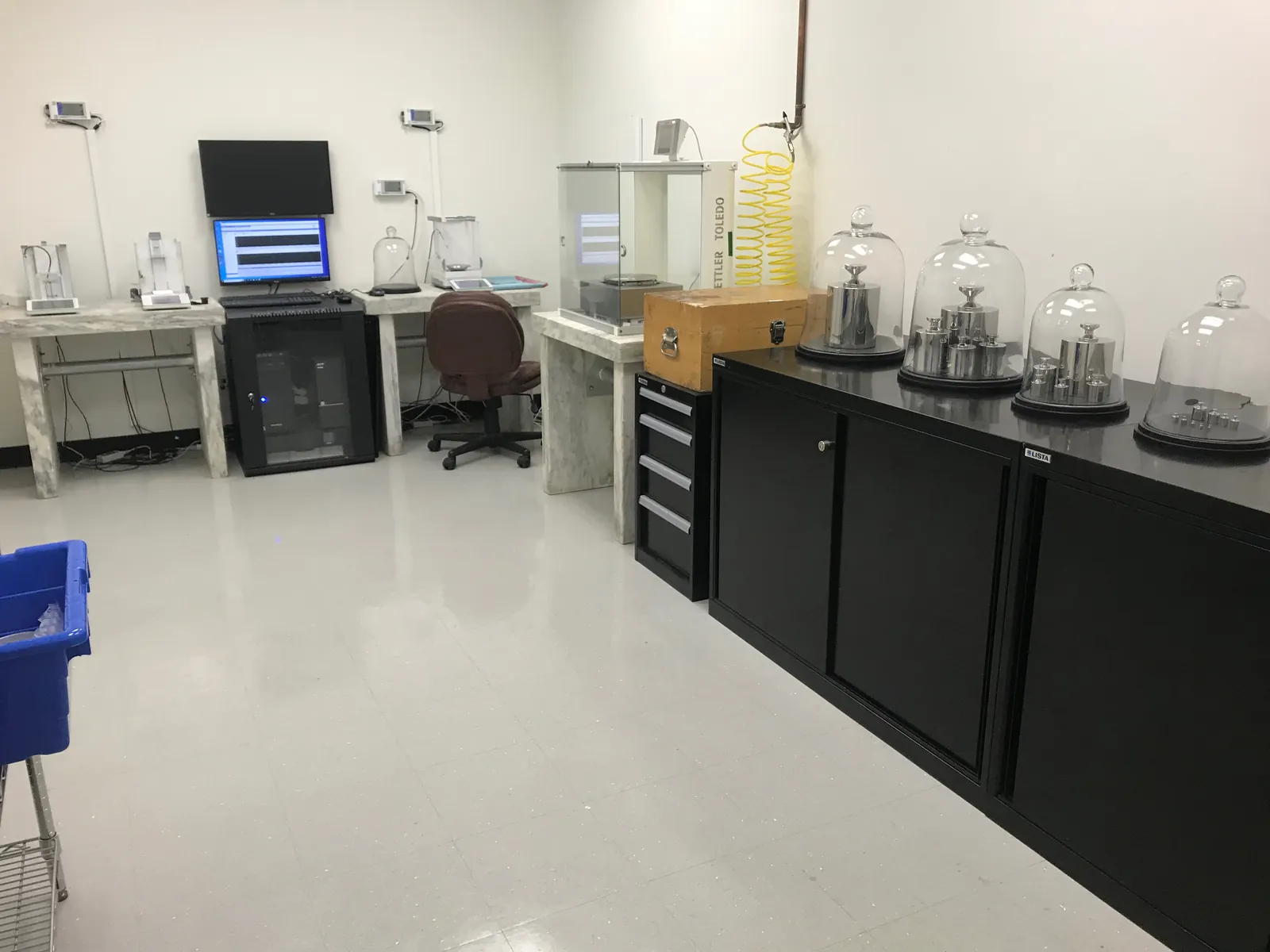
Mass, Force & Torque Calibration
Mass, force, and torque are related but distinct: mass is how much matter, force is a push or pull, and torque is a twisting force. This hub covers the instruments that measure all three and how each is calibrated against traceable standards.
Managing a Program
Managing a Calibration Program: A Quality Manager’s Guide
A calibration program is a system, not a stack of certificates. This hub is the quality manager’s playbook: how to decide what to keep in-house, how to choose and manage a lab, how to handle the bad days ([out-of-tolerance](/blog/instrument-out-of-tolerance-what-to-do) findings, audits), and how to keep the whole thing organized.
Have a calibration question we haven't covered?
Send your equipment list: manufacturer, model, serial, and any compliance regimes your customers reference. We come back with scope confirmation, pricing, and turnaround.