
Pressure, Temp & Environmental · 5 min read
Temperature Calibration: RTDs and Thermocouples
Temperature is measured everywhere, by two very different sensor types. Knowing how RTDs and thermocouples are calibrated — and why one is generally more accurate — helps you spec the right calibration.
Part of our guide to Pressure, Temperature & Environmental Calibration.
The method
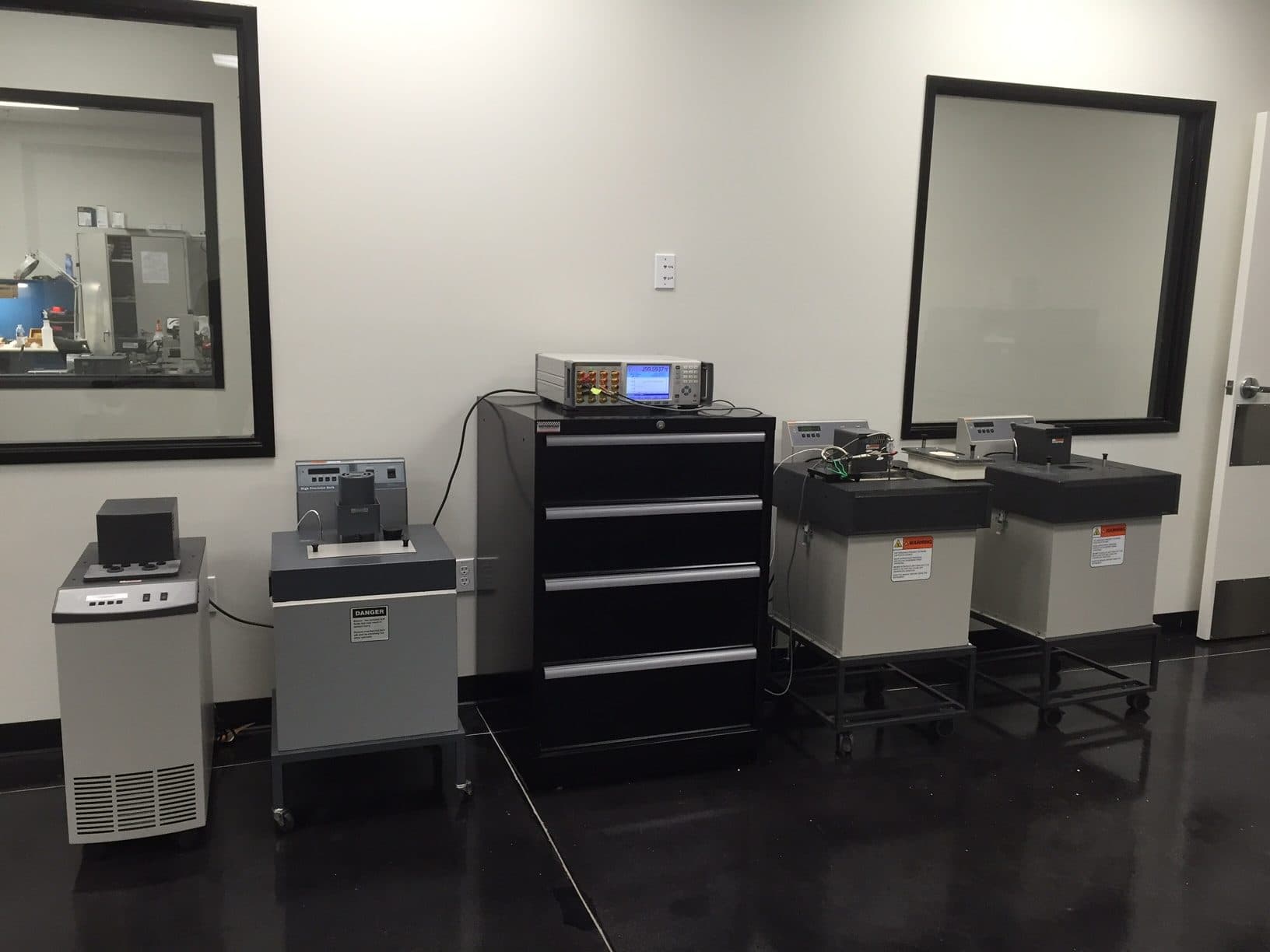
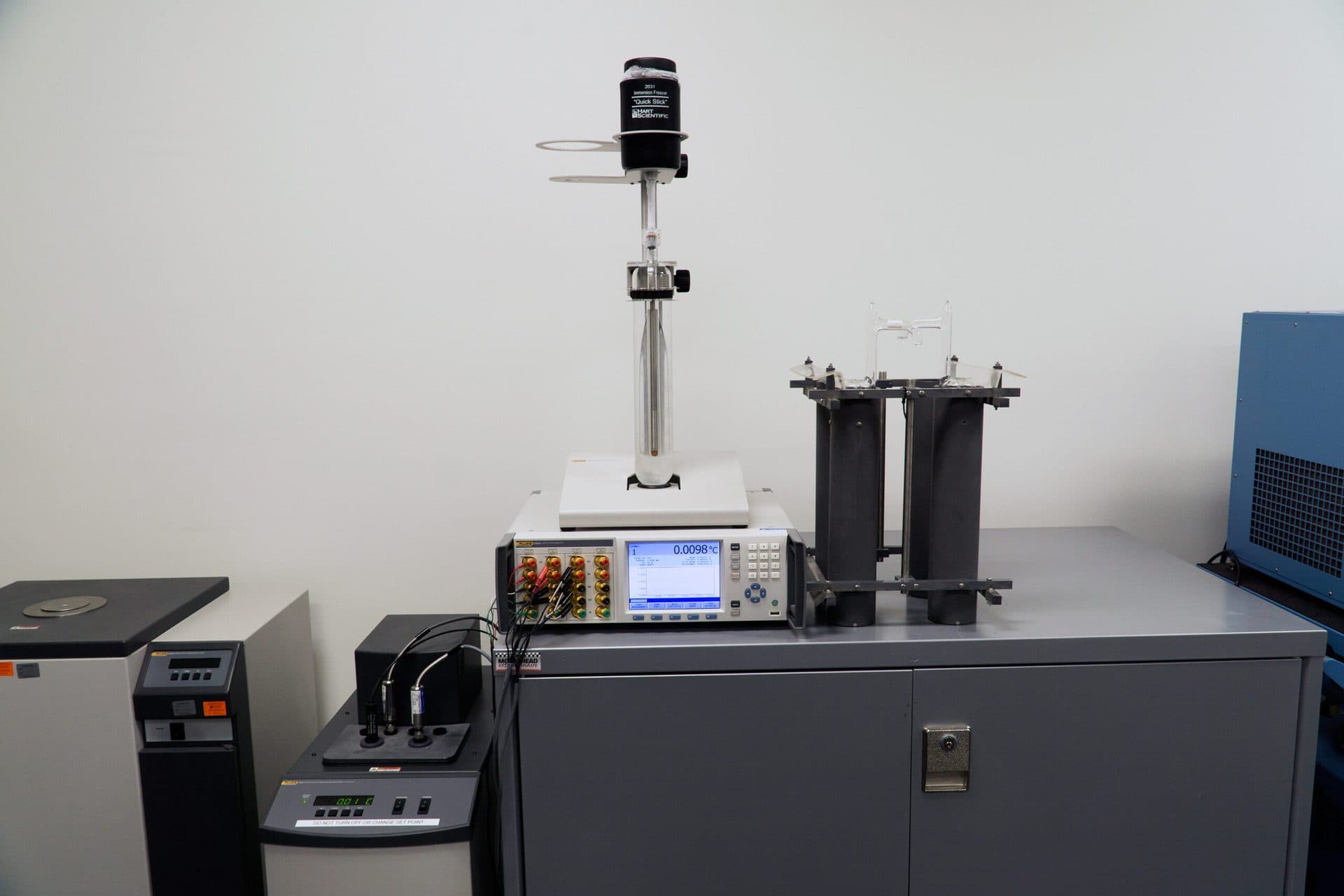
Sensors are calibrated by placing them in a stable, uniform temperature source — a stirred liquid bath, a dry-well, or a fixed-point cell — alongside a calibrated reference thermometer, and comparing readings at several temperatures across the working range. Fixed points (like the triple point of water) provide intrinsic reference temperatures at the highest accuracy.
RTDs vs. thermocouples
RTDs (resistance temperature detectors) are generally more accurate and stable, making them common where precision matters; thermocouples cover very wide temperature ranges cheaply and ruggedly but with larger uncertainty and more drift. Calibration reports the sensor’s deviation from the reference with uncertainty; for sensor-plus-readout systems, calibrating the pair together captures the real end-to-end accuracy.
Common questions
Should I calibrate the sensor and readout together?
For the truest picture of your measurement, yes — calibrating the sensor with its indicator/readout captures the system accuracy. Sensors and readouts can also be calibrated separately when that suits your program.